The so-called “Mag 7” stocks may be cooling off, but that doesn’t mean the artificial intelligence story is over. In a recent conversation with Marc Lichtenfeld of The Oxford Club, the focus shifted away from the biggest headline names and toward the less obvious businesses enabling the AI boom—especially the “picks and shovels” behind the data center buildout.
Lichtenfeld noted that the recent softness in mega-cap tech isn’t shocking after huge multi-year runs, adding, “It’s really not a big surprise when you’ve had some of these stocks like Broadcom and Nvidia just go on these incredible runs over the last few years.” From there, the opportunity set moves to the companies supplying what every AI buildout needs: land, power, and resources.
The “Picks and Shovels” Approach to AI Investing
Instead of trying to guess which platform or chipmaker wins the next inning of AI, Lichtenfeld looks for companies that can benefit regardless of who dominates. In his view, the goal is to own the businesses that are “feeding” the ecosystem—those getting paid by the hyperscalers and the AI leaders for capacity, infrastructure, and essential inputs.
That framework led to three names that sit in a different part of the AI supply chain than most investors think about.
Prologis and the Race to Control Data Center Land and Power
Prologis Inc. (NYSE: PLD) is a real estate investment trust best known for warehouses and industrial facilities—but Lichtenfeld’s thesis is that it can become a major “landlord” for data centers.
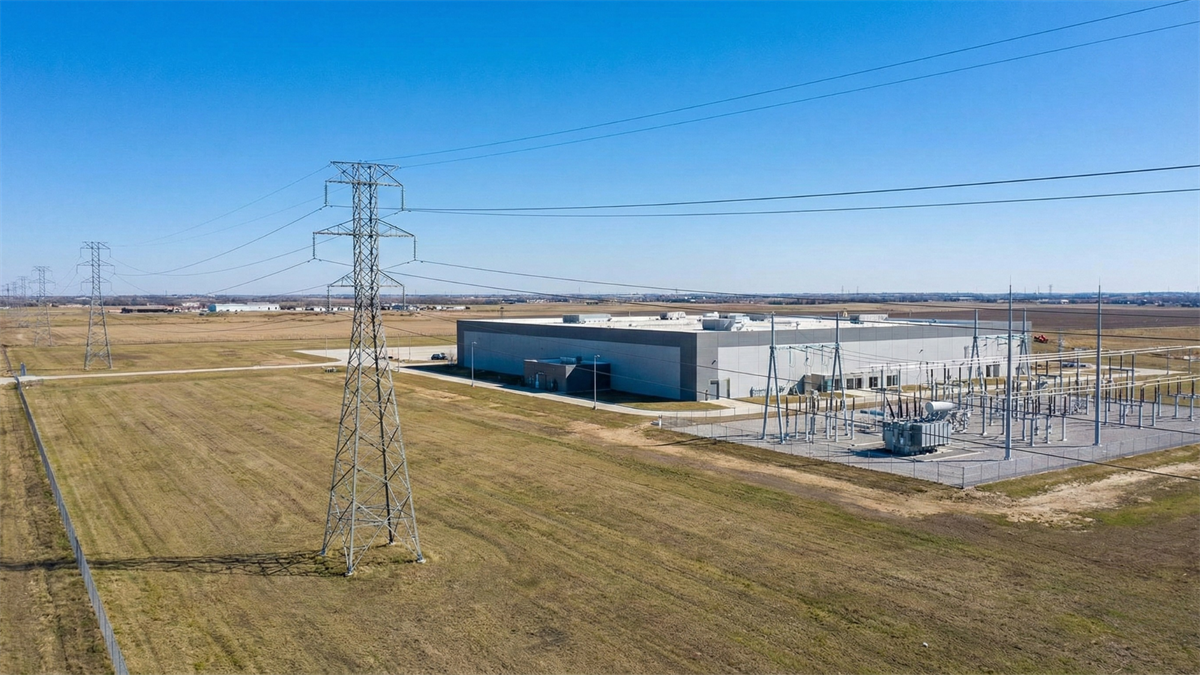
Why? Data centers need land and power, and Prologis has both. Lichtenfeld highlighted the company’s ability to supply 5.7 gigawatts of power and pointed to 15,000 acres in Texas that are positioned for data center development. That combination matters because AI capacity constraints aren’t theoretical—hyperscalers are racing to build.
Financially, the company already showed momentum before the data center story fully hit: revenue was up 7% in 2025. Prologis also fits an income angle, yielding around 3% and extending a long dividend-growth streak with another recent raise.
For investors looking for AI exposure with a real estate backbone, Prologis stands out as a direct way to play the “where will all these servers actually go?” question.
Gladstone Land and the Unexpected Value of Water Rights in the AI Economy
Gladstone Land Corporation (NASDAQ: LAND) is not building data centers. It’s a farmland real estate investment trust, or REIT. That’s exactly why it’s interesting in this context.
Lichtenfeld’s angle is that the AI buildout can indirectly lift the value of certain rural land, especially where water access is scarce and strategically important. Data centers require huge amounts of water for cooling, and Gladstone holds 55,000 acre-feet of water rights, primarily across California and Arizona. He also pointed to the company’s property sales at large premiums as evidence that the market is already repricing some of these assets. And while the day-to-day business remains tied to agriculture cycles, investors get paid to wait: Gladstone offers roughly a 5% yield and pays monthly.
It’s an unconventional “AI economy” idea—less about servers and more about the real-world constraints that decide where those servers can be built.
Black Hills and the Quiet Utility That Could Benefit From the Data Center Migration
Black Hills Corporation (NYSE: BKH) is an electric utility with natural gas exposure, and Lichtenfeld sees it sitting in a sweet spot as data centers expand into cheaper regions.
Wyoming has become attractive for data centers due to land availability and electricity costs, and Black Hills operates in that footprint.
Lichtenfeld emphasized that this isn’t a “triple overnight” kind of stock—it’s a utility—but the setup is about steady, durable demand growth as new campuses come online.
The income component is real here as well. Black Hills yields about 3.8% and has raised its dividend every year since 1971, backed by a long corporate history and a culture that prioritizes consistency.
Asked when AI-related impact could show up more clearly, Lichtenfeld said, “I think we’ll see it in 2026.” For investors looking for AI-linked exposure with a defensive profile, that kind of timeline—and business model—may be exactly the point.
Why This Conversation Matters Now
The throughline from Lichtenfeld’s recent interview is that AI investing doesn’t have to live or die with the Mag 7’s next quarter. When mega-caps pause, the market often starts rewarding the next layer of beneficiaries—the companies that provide what the trend physically requires.
Data centers don’t run on hype. They run on land, electricity, and resources. And that’s why these three names—two REITs and a utility—fit the “infrastructure” side of AI that investors often overlook.