The Retail Sector: Winners And Losers From Q2 Earnings
Written By Thomas Hughes on 8/30/2022

The earnings reports from within the retail sector (NYSEARCA: XRT) were very mixed for Q2 but one thing is clear. The companies with great branding, healthy eCommerce profiles, the right demographics, and solid execution are outperforming peers and the group as a whole. Williams-Sonoma (NYSE: WSM) stands out in this light because the specialty home-goods retailer targets a higher-end clientele and not only outperformed on the top and bottom lines but was able to reiterate its long-term guidance.
The Big Box Stores: Target (NYSE: TGT) and Walmart (NYSE: WMT) sent a ripple of fear through the entire industry when they warned about margin compression and discounting earlier in the summer. Both of their Q2 earnings reports confirmed the weakness but there was a difference. Target’s results were mixed relative to the Marketbeat.com consensus figures while Walmart outperformed by a slim margin. The real takeaways, however, are that revenue and earnings are being impacted by rising inventories and increased discounting and the guidance was tepid in both cases. In regard to the inventory, both companies grew their inventory by 25% to 35% YOY despite the inventory-reducing activities that led to the 2nd quarter weakness so there is still a risk of discounting and margin compression in the back half of the year. In conclusion, the big box stores are sure to see steady or rising sales but will struggle with earnings.
Home Improvement Stores: Results from Lowes (NYSE: LOW) and Home Depot (NYSE: HD) prove that home improvement trends are still strong. The difference here is that Home Depot had a stronger Q2 but provided a weaker outlook while Lowe’s had a more-tepid Q2 and provided a healthier outlook. The reason is the sales mix, Home Depot has greater exposure to the Pro channels and those channels are weakening. Both companies scored a round of price target increases from the analysts but Lowe’s appears to be in the better position.
Dollar Stores: The dollar stores Dollar General (NYSE: DG) and Dollar Tree (NASDAQ: DLTR) both reported solid high-single-digit growth versus last year but there is a clear difference here as well. While the group is set up well for the economic environment Dollar Tree is struggling versus its competitor and provided a softer outlook for the second half of the year. The mitigating factor is that Dollar Tree is reinvesting in growth and profitability so it should do well over the long term. In the near term, Dollar General not only bought back shares and paid a dividend but it increased the buyback authorization while Dollar Tree did none of those things.
Membership Outlets: Membership outlets came into the spotlight with Walmart’s results and Sam’s Club segment is what may set it apart from Target this year. Sam’s Club led Walmart’s growth and is underpinning the outlook with a roughly 10% increase in membership and membership at record highs. This news was compounded by strong results and an outlook from BJ’s Wholesale Club (NYSE: BJ) that points to similar strength for Costco (NYSE: COST) next month when it reports. The bottom line, inflation is pushing folks to look for bargains and plenty of bargains can be found at membership club warehouses. Pricesmart is the outlier, however, because it is struggling with supply chain issues that are amplified by its coverage territory.
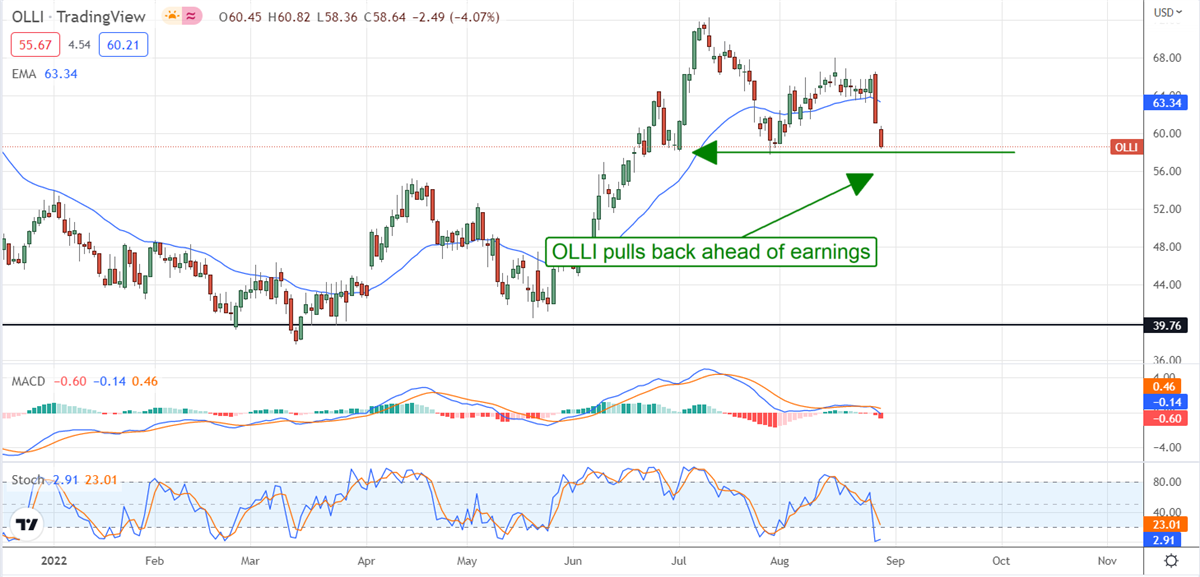
The Discount Stores: The discount stores should be in great shape and they are set up to outperform but there is a problem. Inflation is cutting into their traffic just like everybody else and they are suffering from inventory bloat as well. Increased discounting from front-line merchants is also putting pressure on margins so The TJX Companies (NYSE: TJX) and Ross Stores (NASDAQ: ROST) did not perform as well as they could have and both provided soft guidance as well. Ollies Bargain Outlet (NASDAQ: OLLI) reports later this week and could disappoint the market although it looks like soft results are getting priced into the market ahead of the release.